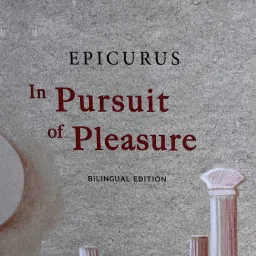

The way I understand the quote, there is a lot in between - I take it to mean that there are people who can experience pleasure, but lack the “physical constitution” to be truly wise and prudent due to circumstances outside of their control. There are many people with chronic physical or mental illnesses that can be mitigated but not removed - would Epicurus say that these people lack the “physical constitution” to be wise?
As I see it, Epicureanism still offers valuable guidance for everyone, even if the highest levels of wisdom might be harder to achieve in certain circumstances.
Consider these points:
1. Everyone can work towards reducing unnecessary fears and anxieties
2. Basic Epicurean principles about friendship and simple pleasures are universally accessible
3. The pursuit of wisdom exists on a spectrum, not as an all-or-nothing proposition
Does this seem meaningful?

 This cuts into dinner time and PBS Newshour time for some


 )