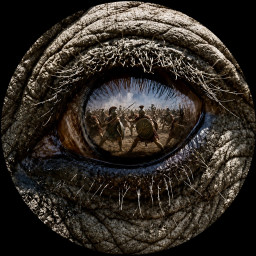


What would Epicurus have said about Homer's Odyssey? It looks like there isn't evidence to definitively state that it was popularly taught in ancient Greece during the time of Epicurus...however it is highly likely that it was.
Here we are in 2026 and there a new Odyssey movie that is opening (read a movie review), and I'm guessing everything now is about to get a lot more "ancient Greek" because movies tend to greatly influence American culture.
Here is an interesting article:
And you can check out a wikipedia about the gods in the Odyssey:
Gods in The Odyssey - Wikipedia
As for Epicurus, regarding the nature of the gods, some excerpts from the Letter to Menoeceus:
"First of all believe that god is a being immortal and blessed, even as the common idea of a god is engraved on men’s minds, and do not assign to him anything alien to his immortality or ill-suited to his blessedness: but believe about him everything that can uphold his blessedness and immortality. For gods there are, since the knowledge of them is by clear vision. But they are not such as the many believe them to be: for indeed they do not consistently represent them as they believe them to be. And the impious man is not he who popularly denies the gods of the many, but he who attaches to the gods the beliefs of the many.
[124] For the statements of the many about the gods are not conceptions derived from sensation, but false suppositions, according to which the greatest misfortunes befall the wicked and the greatest blessings (the good) by the gift of the gods."...
...
[134] "For, indeed, it were better to follow the myths about the gods than to become a slave to the destiny of the natural philosophers: for the former suggests a hope of placating the gods by worship, whereas the latter involves a necessity which knows no placation. As to chance, he does not regard it as a god as most men do (for in a god’s acts there is no disorder), nor as an uncertain cause (of all things) for he does not believe that good and evil are given by chance to man for the framing of a blessed life, but that opportunities for great good and great evil are afforded by it."